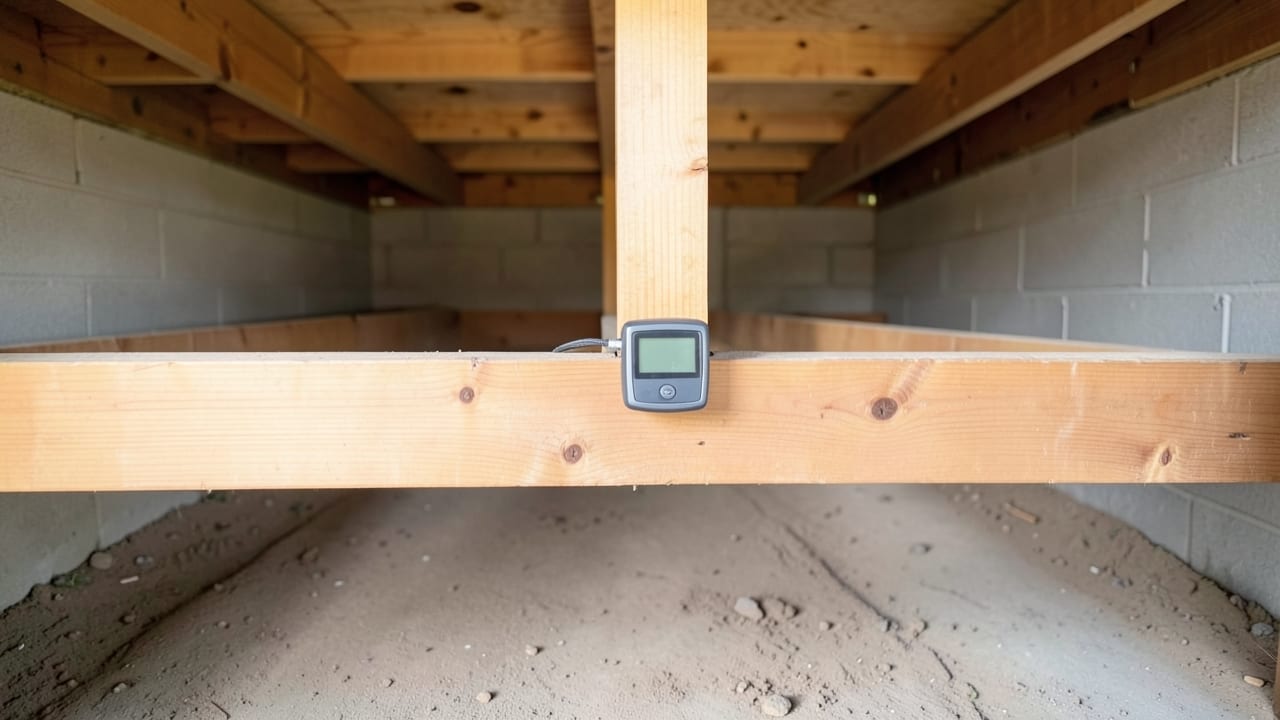
Spring Mold Inspection
Professional assessment and identification of mold growth in homes.
Spring in Freehold, NJ, brings warmer temperatures and increased humidity, creating ideal conditions for mold growth in homes. A professional spring mold inspection assesses hidden moisture sources, identifies contamination, and provides a detailed report to guide remediation efforts—helping homeowners address issues before they worsen.
When to schedule an inspection
Visible signs like black, green, or brown spotting on walls, ceilings, or window frames often signal mold, but growth can also hide behind drywall or under flooring. A persistent musty or earthy odor—especially in basements, bathrooms, or closets—is another common indicator, as mold often spreads unseen before becoming visible.
We also handle Crawl Space & Basement Mold Remediation and Attic Mold Remediation for Freehold properties.
Even without obvious symptoms, a seasonal inspection can catch early moisture issues, such as slow plumbing leaks or poor ventilation, before they lead to larger problems. Homeowners who’ve recently experienced flooding, roof leaks, or plumbing repairs should also schedule a check, as residual moisture can foster hidden mold.
Signs It’s Time for an Inspection
- A musty or damp smell that lingers after airing out a room or space
- Visible mold growth (black, green, brown, or speckled spots) on walls, ceilings, grout, or window frames
- Peeling paint, warping wood, or bubbling wallpaper—signs of trapped moisture
- Water stains or discoloration on carpets, drywall, or subfloors, even if the surface feels dry
- Health symptoms that improve when away from a specific room (e.g., sneezing, itchy eyes, headaches)
What the inspection covers
A thorough spring mold inspection in Freehold includes a visual walkthrough to spot obvious growth, followed by technical tools like moisture meters and thermal imaging to detect hidden dampness in walls, floors, and ceilings.
Every affected area is documented, and samples—such as air spore traps and surface swabs—are collected from suspect zones plus a control area for accurate lab comparison.
The inspection also traces moisture back to its source, whether it’s a roof leak, plumbing issue, poor grading, or condensation. Without addressing the root cause, remediation may only be temporary. A written report details affected materials, square footage, and moisture sources, serving as the foundation for any remediation plan.
What affects pricing and scope
The size of the property and the number of rooms inspected influence the cost, as does the need for additional testing tools like thermal imaging or extended sampling. Properties with basements, crawl spaces, or attics may require extra time to assess hard-to-reach areas, which can adjust the final price.
Inspections that uncover complex moisture issues—such as hidden plumbing leaks or structural damage—may also extend the assessment time. However, the quoted range reflects only the inspection itself, not remediation or follow-up services.
| Factor | Impact on Cost/Time |
|---|---|
| Number of rooms inspected | More rooms = longer assessment and potentially higher cost |
| Accessibility of areas (e.g., basements, attics) | Hard-to-reach spaces may require additional tools or time |
| Need for extended sampling (e.g., multiple surface swabs) | Extra samples increase lab fees |
| Moisture source complexity (e.g., plumbing vs. roof leak) | Tracing moisture to its origin may extend the inspection |
How a spring mold inspection works
A professional inspection follows a structured process to identify mold and moisture issues.
- 1Visual Assessment
The inspector examines walls, ceilings, floors, and hidden areas for visible mold, staining, or water damage. They also check for musty odors, which often signal hidden growth.
- 2Moisture Detection
Using a moisture meter and thermal imaging, the inspector identifies damp spots behind walls, under flooring, or in ceilings that aren’t visible to the naked eye.
- 3Sample Collection
Air and surface samples are taken from affected areas plus a control room (an unaffected space) to compare spore levels accurately. Samples are sent to an independent lab for analysis.
- 4Moisture Source Diagnosis
The inspector traces moisture back to its origin—such as a leak, poor ventilation, or condensation—to determine why mold is present and how to prevent recurrence.
- 5Written Report
Findings are compiled into a detailed report outlining affected materials, moisture sources, and square footage, which serves as the basis for any remediation plan.
Frequently asked questions
Can I do a mold inspection myself with a home test kit?
Home test kits can detect the presence of mold spores, but they don’t identify the species, quantify contamination levels accurately, or locate moisture sources—the key factors in determining whether remediation is needed. A professional inspection uses calibrated tools and lab analysis for reliable results.
What happens if the inspection finds mold but no obvious moisture source?
Mold requires moisture to grow, so the inspector will investigate further—checking for hidden leaks, condensation issues, or poor ventilation. Without addressing the moisture source, remediation may not resolve the problem long-term.
Do I need to be home during the inspection?
You don’t need to be present, but the inspector may ask for access to specific areas, such as basements or attics. Providing clear instructions or a quick walkthrough of known problem spots can help streamline the process.
Will the inspection tell me what type of mold I have?
Yes. Surface and air samples are sent to a lab to identify mold species and spore concentrations. The lab report provides detailed findings, which help determine the best remediation approach.
Where Freehold sits, and what the Census lists nearby
Freehold sits in New Jersey, and the closest places listed in the U.S. Census Gazetteer are East Freehold (2.1 miles northeast), West Freehold (2.2 miles southwest), Yorketown (4.6 miles northwest), Englishtown (5.1 miles northwest). Within 25 miles of Freehold the same source lists 182 distinct incorporated places and census-designated places.
Those figures matter for spring mold inspection because they are straight-line distances between Census coordinate points: road mileage between Freehold and East Freehold runs longer than the 2.1 miles shown, which is why quotes for the same job differ between towns that look close together on a map.
Source: U.S. Census Bureau Gazetteer.
See Regency at Monroe, NJ for more, or take a look at every option available in Freehold in detail for our complete lineup.
Ready to get started?
Talk to a local mold remediation pro in Freehold — get a written quote.
Other Mold Remediation Services in Freehold
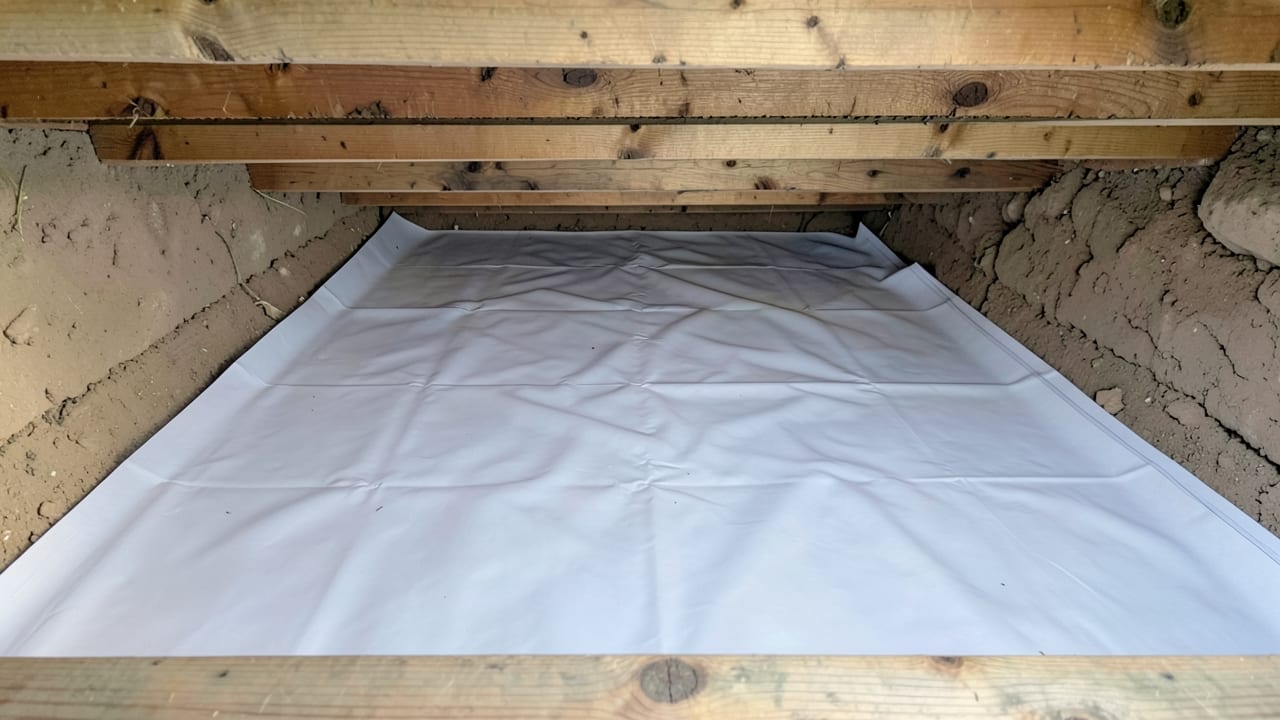
Crawl Space & Basement Mold Remediation in Freehold, NJ
Crawl space and basement mold remediation in Freehold, NJ addresses the two areas of a property most prone to trapped, unnoticed moisture.
Learn More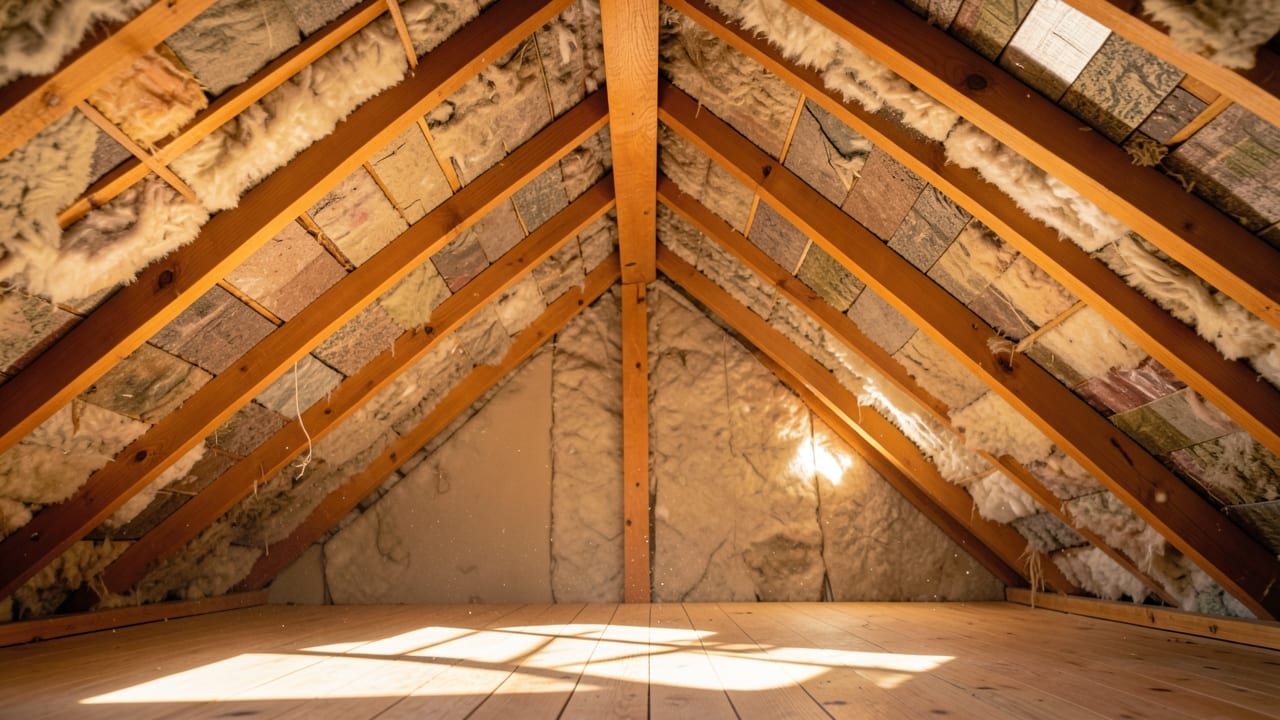
Attic Mold Remediation in Freehold, NJ
Attic mold remediation in Freehold, NJ addresses roof-deck growth typically caused by poor ventilation or a hidden roof leak.
Learn More
Commercial Mold Remediation in Freehold, NJ
Commercial mold inspection and remediation in Freehold, NJ for offices, retail space, and multi-unit properties, scheduled around business operations.
Learn More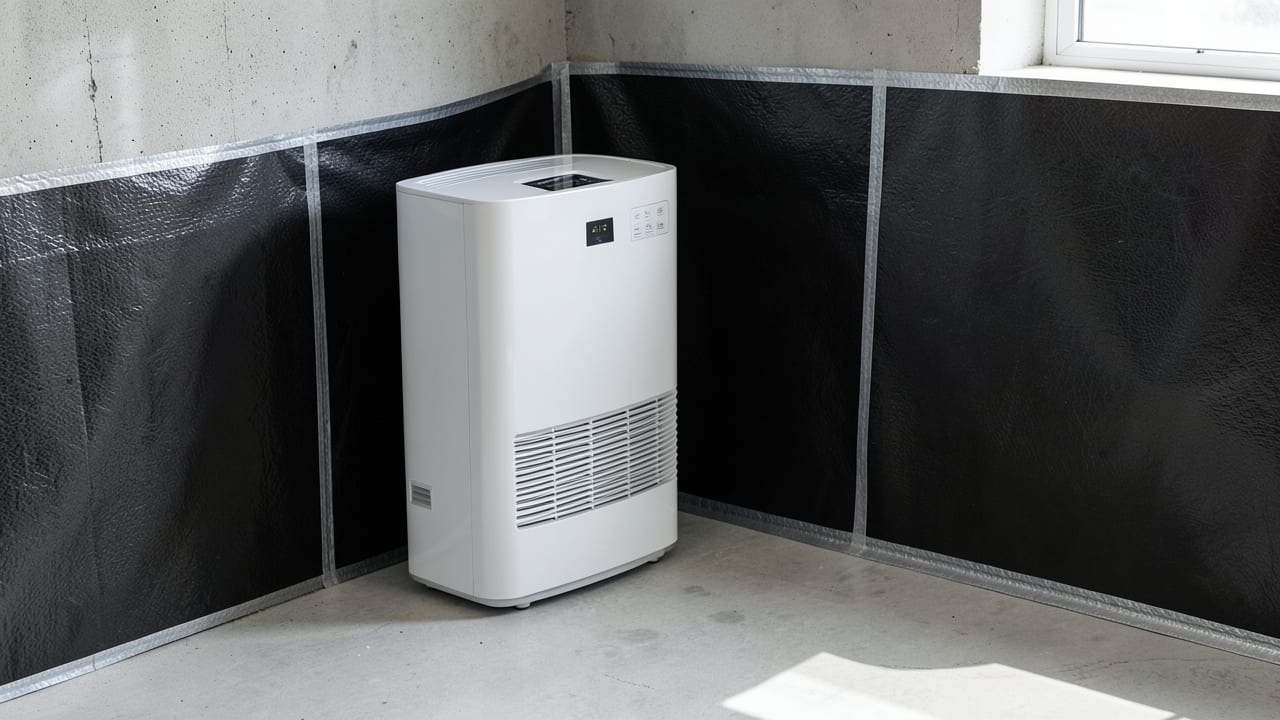
Mold Prevention & Moisture Control in Freehold, NJ
Mold prevention and moisture control in Freehold, NJ — addressing ventilation, humidity, and drainage before growth starts, not after.
Learn More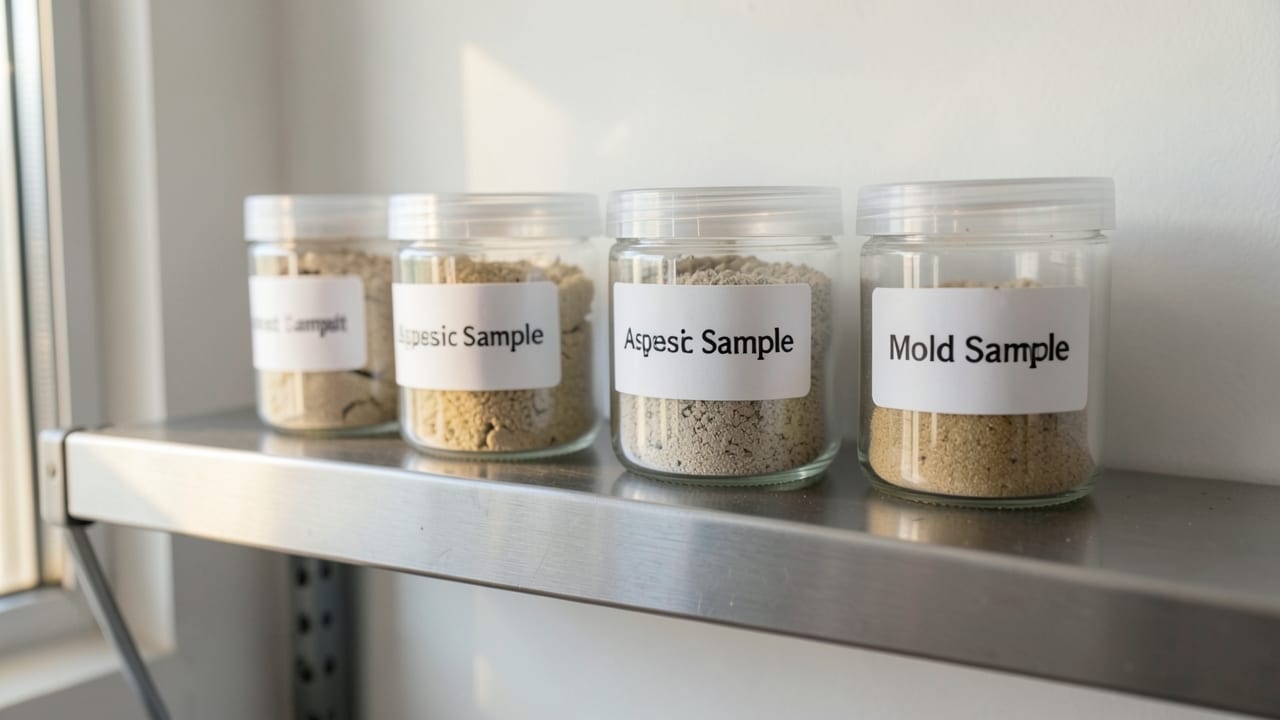
Mold & Asbestos Testing in Freehold, NJ
Combined mold and asbestos testing in Freehold, NJ — one inspection visit, lab-verified results for both.
Learn More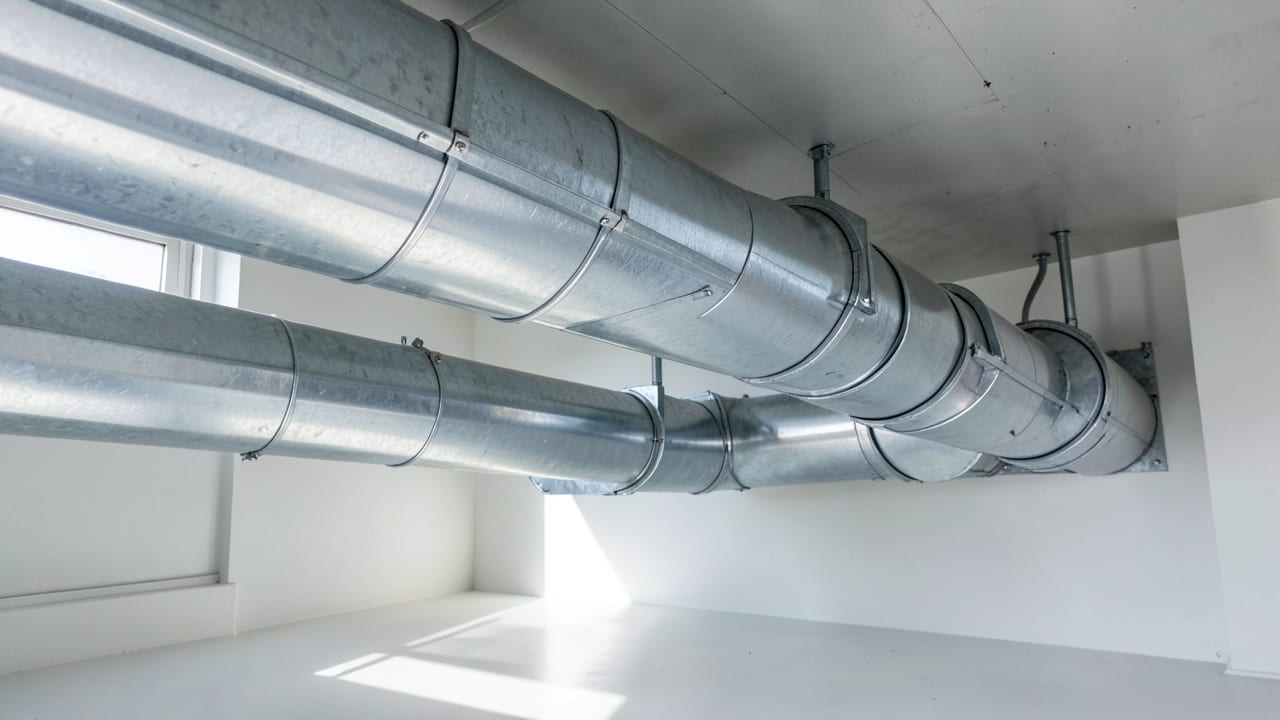
HVAC Mold Remediation in Freehold, NJ
HVAC and ductwork mold remediation in Freehold, NJ — mold growing inside the air handler or duct system, spreading through every vent.
Learn MoreCommon Questions About Mold Remediation in Freehold
Everything you need to know about mold remediation services in Freehold
How much does Spring Mold Inspection typically cost in Freehold, NJ?
Why does Freehold, NJ's humidity make mold a bigger risk than in drier regions?
Can mold growing inside HVAC ductwork spread to the rest of a home?
Does mold mean the same thing as mildew?
Does homeowners insurance typically cover mold remediation?
Is black mold actually more dangerous than other mold types?
Need Mold Remediation in Freehold?
Connect with local providers in Freehold for a detailed quote.
⏰ We answer your call • Serving all of Freehold and surrounding areas